
The short answer: not on its own
A template is a good place to start. But having two witnesses sign it doesn't automatically make it a valid will. The wording has to say what you really want, you need to understand what you're signing, and you have to follow the signing rules where you live.
The rules below are for England and Wales. Scotland and Northern Ireland are a little different, so we cover them further down.
What are the rules in England and Wales?
To make a valid will, you normally need to:
- be 18 or over
- understand what you're doing
- make it by choice, not because someone is pressuring you
- write it down
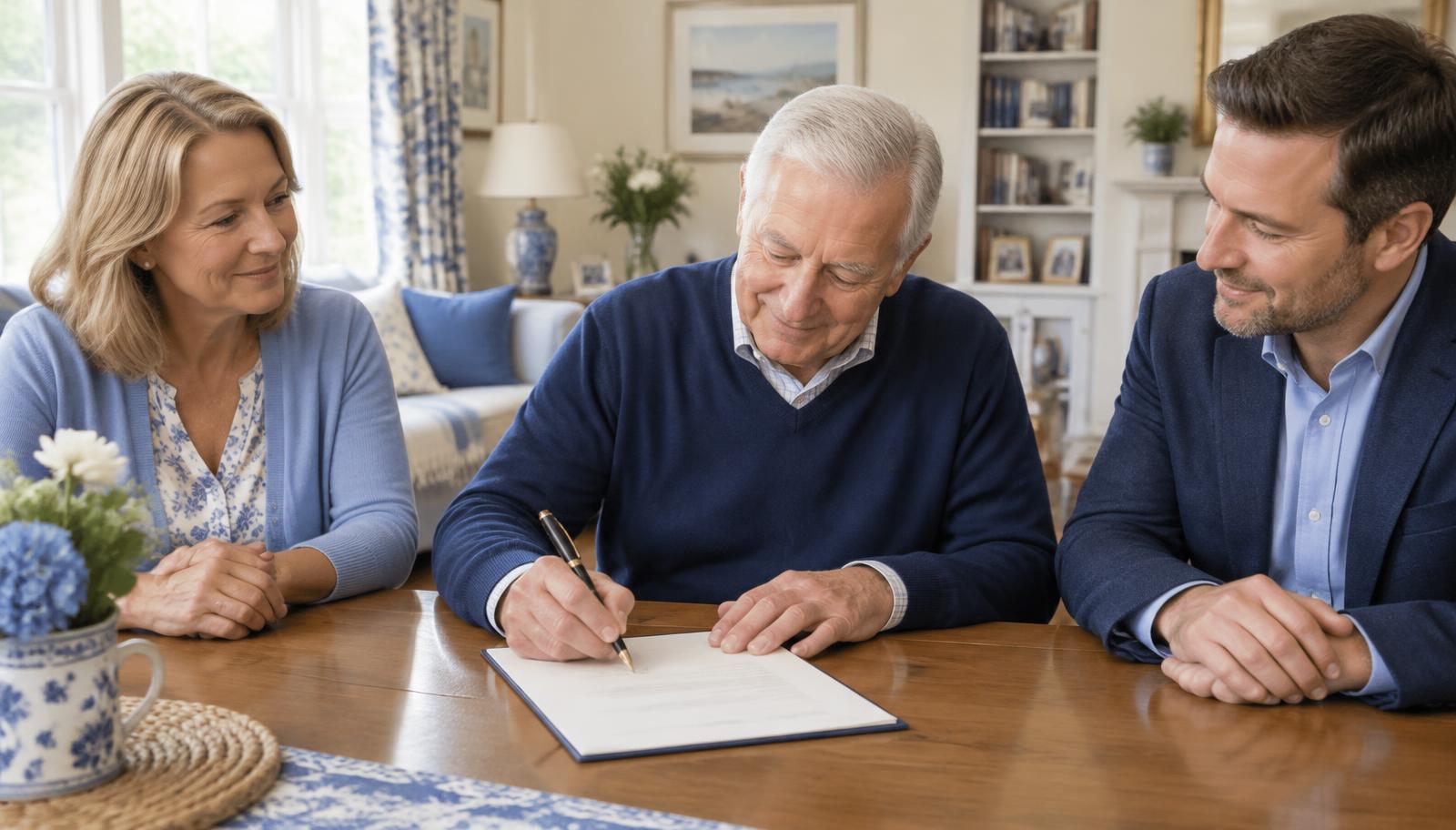
- sign it with two witnesses in the room
- have both witnesses sign it while you watch
Signing is done on paper, in ink. A signature on a screen does not count for a will in England and Wales. With OpenWill, your witnesses' ID is checked in the app, you sign the printed will in ink with them present, and then you upload a copy of the signed will.
If you're not sure about any of this, ask a solicitor.
Can someone in my will be a witness?
No. In England and Wales, don't ask anyone who will receive something from your will to be a witness. The same goes for their husband, wife or civil partner. If they witness it, they could lose their gift.
Choose two adults who won't benefit, like a neighbour or a colleague. They don't need to read your will. They just need to watch you sign it.
Does checking my witnesses' ID make my will valid?
No. An ID check proves who your witnesses are. It doesn't show that you understood your will, that the wording is right, or that you signed it properly. Dates, times and saved versions help keep things organised, but they can't stop someone challenging your will.
Are the rules the same across the UK?
Not quite.
- Scotland: you can make a will from age 12, and the signing rules are different. Your husband, wife, civil partner and children may also have a legal right to part of what you leave, whatever your will says. Follow the Scottish guidance or ask a Scottish solicitor.
- Northern Ireland: you normally need to be 18 or over. Your will must be signed and dated, with two witnesses who won't benefit, and all three of you in the room together.
Do I need a solicitor?
Not always. Many people with simple wishes can start on their own. But it's wise to get help if you:
- own a home abroad or run a business
- want to set up a trust
- live with a partner you're not married to
- care for someone who depends on you
- have children from different relationships
- think someone might challenge your will
A template can't tell you whether you've covered these properly. OpenWill is not a law firm, but we can put you in touch with solicitors and notaries who can check your will.
Is a scan good enough for my executors?
A scan is useful to have, but a copy is not the same as the signed original. When the time comes, your executor will normally need the original paper will. Keep it somewhere safe and tell them where it is.
With OpenWill you can upload a copy of your signed will, keep every version with the date and time, and choose who gets to see it. Keep the paper original too.
Can I just change my signed will?
Don't write on or cross things out on a signed will. For a small change, you can add a formal add-on called a codicil. For bigger changes, make a new will. Either way, sign it properly with witnesses again.
In England and Wales, getting married usually cancels your old will (with some exceptions). In Scotland it doesn't. Check before relying on an older will.
What should I do next?
Download our free UK will checklist to help you get your thoughts in order before you start. It's a planning tool, not a will. Our checklist guide walks you through each step.
Where this information comes from
Last checked 26 October 2026. This is general information, not legal advice or a check of your own will.